
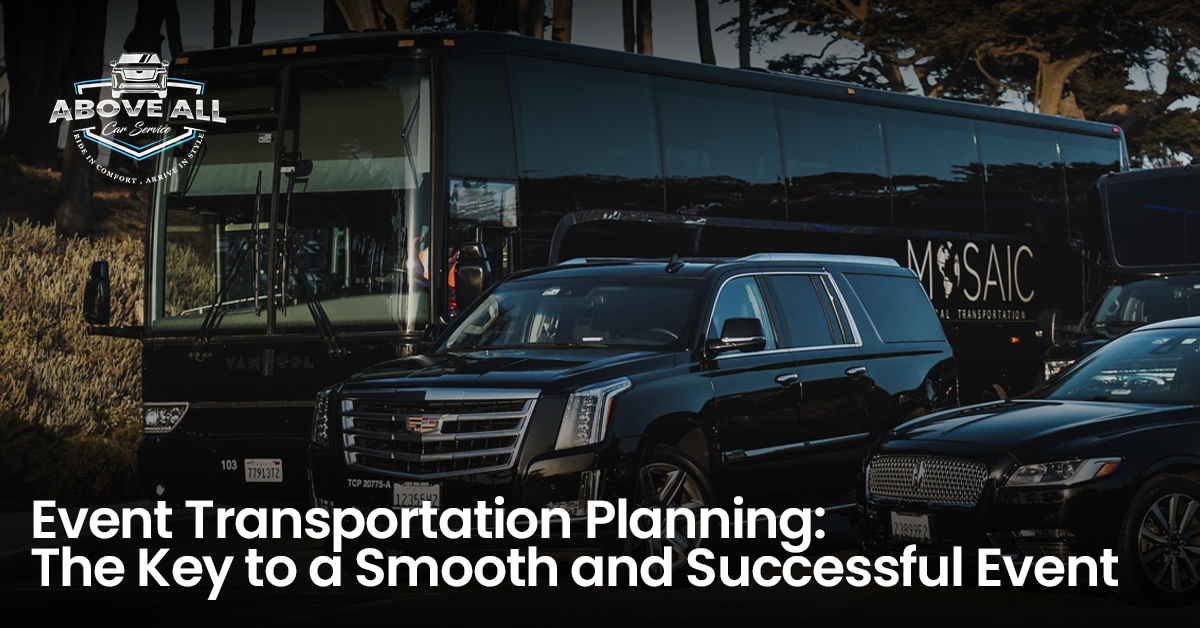
Event Transportation Planning: The Key to a Smooth and Successful Event
Imagine your event starts on time and every person arrives relaxed. The check-in line moves quickly because arrivals stay well organized. Staff members feel calm because every ride follows the planned schedule. That result rarely happens by chance. Good planning creates those moments before the event even begins. Event transportation plays a bigger role than many organizers first expect.
This article explains practical steps that help every event run better while avoiding common mistakes many planners never notice.
Why Every Successful Event Starts Before The First Arrival
Small Travel Problems Can Create Bigger Event Challenges
Many organizers spend weeks planning decorations and food before reviewing travel details. That approach often creates avoidable problems on the event day. Even one delayed ride may affect registration and meeting times. Those delays can also create confusion for families and business teams arriving together.
Planning travel early creates a stronger start for everyone attending the event. People arrive with more confidence because they already know where to meet drivers. Staff members also spend less time answering travel questions during busy hours. Every small improvement creates better results for the entire event schedule.
Experienced planners often say the first impression starts before anyone enters the venue. That statement proves true during almost every conference and celebration. People remember how easily they reached the location before remembering decorations or meals. Travel becomes the first real part of the overall experience.
Events also involve many moving parts that depend on each other. Registration teams prepare for arrivals while vendors finish their work nearby. Drivers also follow planned routes while venue teams prepare welcome areas. Better planning keeps all tasks moving together rather than causing delays.
Travel should never become an afterthought because every event depends on timing. A simple travel plan helps everyone focus on the event instead of unexpected problems.
Build Your Plan Before Making Any Booking
Good Decisions Always Begin With Better Information
Many people reserve vehicles before collecting important travel details from attendees. That simple mistake often creates changes during the final week. Those changes usually require extra time and create stress for the planning team.
Start by confirming how many people will attend your event. Next, collect arrival times and hotel details from everyone needing transportation. This information helps create a stronger plan before any reservation is made.
After that, identify anyone needing extra travel support during the event. Some people travel with children while others bring large bags. Others may arrive from different airports at different times. Every detail helps build a plan matching real travel needs.
Venue access also deserves careful attention before making any reservation. Some locations have limited parking, while others allow only certain pickup areas. Knowing these details early prevents confusion on the day of the event.
Many planners also forget to review local traffic patterns before choosing pickup times. Morning traffic often looks very different from evening traffic. Local festivals and sporting events may also affect travel routes during busy weekends.
A simple checklist before booking saves many hours later.
Consider collecting these details first.
- Arrival time
- Hotel location
- Flight details
- Contact number
- Group size
- Bag count
- Special travel needs
- Pickup preference
These details help every decision become easier during later planning stages.
Create A Timeline Before Event Day Arrives
Small Steps Keep Every Task Moving Forward
Many successful planners never wait until the final week. Instead, they complete small tasks over several weeks. That habit reduces pressure while improving overall organization.
About One Month Before
Estimate attendance numbers as accurately as possible. Review venue access and parking areas during this stage. Contact transportation providers early, as popular dates fill up quickly.
This stage also helps compare different event transportation services before making a final decision. Early planning creates more choices and better scheduling options.
About Two Weeks Before
Confirm attendee lists and update travel information carefully. Review arrival times and verify hotel reservations if needed. Share early schedules with drivers and planning staff.
This period also works well for checking local events that may affect traffic. Small route changes now often prevent larger delays later.
About One Week Before
Review every reservation one more time before the event begins. Confirm pickup locations and contact information carefully. Update any schedule changes immediately after receiving new details.
Communication becomes very important during this stage. Everyone should know where to arrive and when transportation begins.
About Two Days Before
Check weather reports and review backup travel options. Confirm the driver’s contact details and verify the meeting locations once again. Small checks during this period often prevent larger problems later.
Event Morning
Start early and review the complete travel schedule before vehicles begin moving. Keep communication open with every team member during arrivals. Quick updates help solve small issues before they affect the event schedule.
This simple timeline creates order without making planning feel difficult.
Build A Better Journey From Beginning To Arrival
Every Stage Shapes The Overall Experience
People often remember how they reached an event before remembering many other details. That fact makes travel an important part of every successful gathering.
The journey begins before anyone leaves home. Clear instructions reduce uncertainty while helping people prepare with confidence. Simple reminders also reduce missed pickups and late arrivals.
Airport arrivals require extra attention because flight schedules sometimes change. Checking updated arrival times allows planners to adjust transportation without creating unnecessary waiting periods.
Hotel pickups deserve equal planning because many people leave at similar times. Clear meeting points help everyone locate vehicles without confusion. Staff members also spend less time answering repeated questions.
Arrival at the venue should feel organized from the very beginning. Easy directions and planned drop-off areas help people move toward registration without delays. This simple approach supports stronger event logistics while reducing congestion around entrances.
The next part of the guide explains how to organize travel during the event, avoid hidden planning mistakes, improve communication, and solve common problems before they affect your schedule.
Simple Details That Keep Every Trip Running Well
Small travel details often decide whether an event feels calm or confusing. Many planners focus only on vehicles while forgetting daily communication. Better planning always comes from simple actions completed before event day arrives.
Clear Messages Remove Early Confusion
People feel more relaxed after receiving clear travel updates before departure. Every message should explain pickup times and meeting places using simple words. Share contact details early so everyone knows who can answer travel questions. This habit reduces phone calls during busy event hours.
A planner once shared one simple travel guide before a company meeting. Everyone arrived without asking extra questions because every instruction was clear. That small effort saved valuable time for the planning team.
Drivers Need Complete Information Before Arrivals Begin
Drivers perform better when they receive complete schedules before the first pickup. They should know meeting places and venue entrances before leaving. They also need emergency contacts in case unexpected changes occur later.
Helpful drivers also understand the event schedule before the first arrival. That knowledge helps them respond faster when travel plans suddenly change.
Waiting Time Deserves Careful Planning
Long waiting periods often create frustration before the event even starts. Short waiting periods create a better first impression for everyone arriving.
Simple planning helps reduce waiting.
- Match pickup times with arrival schedules.
- Allow extra travel time during busy hours.
- Keep contact numbers ready.
- Share updates quickly when changes appear.
These small actions create a smoother travel day without adding extra work.
Hidden Problems Many Organizers Never Expect
Small Mistakes Often Create Bigger Costs
Many people prepare beautiful venues while forgetting simple travel expenses. Those forgotten costs often appear during the final planning days.
One common issue involves last-minute booking changes. Extra vehicles sometimes cost more because availability becomes limited. Early planning usually avoids this situation.
Another issue involves empty return trips. Vehicles sometimes travel without passengers because departure times change unexpectedly. Better planning reduces unnecessary travel while improving overall event travel management.
Parking also creates hidden expenses at many locations. Some venues charge extra fees during busy periods. Checking these details before the event helps avoid unexpected payments.
Another overlooked issue involves delayed arrivals. Waiting charges may increase when vehicles remain parked longer than planned. Clear arrival times reduce these extra expenses.
Many planners also forget to review luggage needs before selecting vehicles. Extra bags often require larger vehicles than expected. This small detail matters more than many organizers first realize.
Planning protects both time and budget without creating extra effort.
When Several Locations Need Better Planning
Every Stop Should Connect Naturally
Many events include more than one location during the same day. Travel between those places deserves careful planning before schedules become busy.
Imagine a business conference beginning at one hotel before moving to another. The evening dinner is held elsewhere after the afternoon sessions finish. Every location requires clear timing so people arrive without confusion.
This process becomes easier once you create a complete travel schedule. Everyone understands where they should arrive and when transportation begins.
Simple planning also supports better transportation coordination between drivers and event staff. Everyone follows one organized schedule instead of making repeated phone calls.
Another useful idea is to assign one planning leader for the event. This person answers travel questions and updates drivers whenever changes occur. Quick decisions prevent small issues from growing into larger problems.
Real Event Story That Shows Planning Matters
Last spring, a local business planned its yearly leadership meeting. More than 100 people arrived from different cities over the weekend. The planning team expected several delays because many arrivals happened together.
Instead, they created simple travel groups before the meeting started. Every group received pickup details one week before arrival. Drivers also received complete schedules before leaving their office.
People arrived at the venue in steady groups rather than together. Registration remained organized because arrivals adhered to the planned times. Staff members welcomed everyone without rushing between different entrances.
The event began exactly when planned without last-minute confusion. Managers later said travel planning became one reason the meeting felt organized. Small travel decisions created a much better day for everyone involved.
Simple Ideas That Improve Every Journey
Better Planning Creates Better Results
Good travel plans rarely depend on expensive vehicles alone. Simple ideas often create the biggest improvements.
Consider these helpful practices.
- Confirm every booking several days before departure.
- Share travel reminders the night before the event morning.
- Review the weather before final schedules.
- Keep backup contact numbers available.
- Allow extra travel time during busy periods.
- Review venue accessibility before confirming pickup locations.
Every step builds confidence for both planners and everyone attending.
Event Day Checklist That Keeps Everything Moving
Preparation becomes much easier after creating a clear checklist the morning of the event. Small checks often prevent bigger problems later during busy hours. Experienced planners rarely skip this important final review.
Before Vehicles Begin Moving
Review every booking before the first pickup starts that morning. Confirm driver contacts and meeting places one final time. Check weather reports before sharing any updated travel details.
Review these important items.
- Driver contact numbers
- Pickup schedule
- Meeting locations
- Traffic updates
- Weather report
- Emergency contacts
Completing these tasks creates a calm start for everyone working that day.
During Arrivals
Keep one person available to answer travel questions quickly. Share updates immediately whenever arrival times change unexpectedly. Fast communication helps every team member stay informed.
Watching arrivals also helps identify small issues before they affect later schedules. Early action usually solves problems much faster than delayed responses.
Before People Leave
Departure deserves equal attention because many organizers focus only on arrivals. Confirm return schedules before the event finishes. Share pickup reminders before everyone leaves the venue.
Clear planning reduces waiting time while helping everyone reach the next destination comfortably.
Expert Advice That Helps Every Event
Small Planning Habits Often Create Bigger Success
Experienced planners often repeat one important lesson during every project. They believe planning saves more time than solving problems later. Years of experience continue to prove that simple advice is correct.
One event manager shared this thought during a planning workshop.
“People rarely remember every decoration. They always remember how easily the day moved from beginning to the final ride.”
That simple lesson explains why travel deserves careful attention before every event.
Another useful habit is to review every plan with fresh eyes one day earlier. Small mistakes often become easier to notice after taking a short break. Fresh reviews improve planning without adding extra work.
A strong transportation strategy also grows from listening after each completed event. Feedback helps planners improve future events through simple changes rather than major ones.
Review Results After The Event Ends
Many planners finish their work once everyone leaves the venue. Smart planners continue learning after the final ride finishes.
Review these important areas after every event.
- Arrival times
- Waiting periods
- Driver feedback
- Team feedback
- Budget review
- Travel notes
This review helps improve future transportation planning without repeating earlier mistakes.
One company created a simple review meeting after every conference. Team members discussed successful ideas before noting areas needing improvement. Each new event became easier because lessons stayed fresh.
Another useful habit is to save travel schedules for future events. Previous plans often provide helpful ideas when planning similar gatherings later.
Why Better Planning Creates Better Events
Successful events rarely happen because of luck alone. Careful planning creates steady progress before event day even begins.
Good professional event transportation supports organized arrivals while helping every schedule stay on track. Better preparation also allows event teams to focus on welcoming people instead of solving travel problems.
Choosing suitable event travel solutions creates stronger communication before arrivals begin. Clear planning also supports better teamwork during busy moments. Small improvements often create lasting memories after the event ends.
A reliable group transportation service also helps larger gatherings remain organized when many people travel together. Organized arrivals improve timing and reduce confusion at busy entrances.
Planning also supports a stronger attendee experience by reducing the time people spend worrying about travel details. Better travel scheduling keeps every stage moving naturally while supporting stronger event coordination from beginning to departure.
Conclusion
Every successful event begins long before people reach the venue. Smart planning improves timing and communication while reducing common travel problems. Careful preparation also helps teams stay organized during busy moments. Small decisions made before the event often create the biggest results later. Review every detail before booking and keep communication simple from the beginning until the final ride. Good planning builds confidence and helps every event leave a lasting positive impression.
Every successful event deserves thoughtful planning before the first arrival begins. Our team helps create organized travel plans matching your schedule and event goals. We focus on clear communication and practical solutions that support every stage of your event. Contact us today and let us help create a better travel experience for your next event.
FAQs
When should I begin planning transportation for an event?
Start planning as early as possible after confirming your event date. Early preparation creates more options while reducing last-minute changes.
Why does travel planning matter for successful events?
Good planning keeps schedules organized while reducing delays and confusion before arrivals begin. It also supports a better overall event experience.
What details should I collect before arranging travel?
Collect arrival times and contact details before making reservations. Hotel information and luggage details also help create better travel plans.
How can I reduce delays on the day of the event?
Share clear schedules before the event begins. Confirm bookings early and keep communication open at every stage of travel.
Why should businesses choose planned transportation instead of arranging rides later?
Early planning improves organization while reducing unexpected problems. It also creates smoother arrivals and helps every event begin with confidence.