
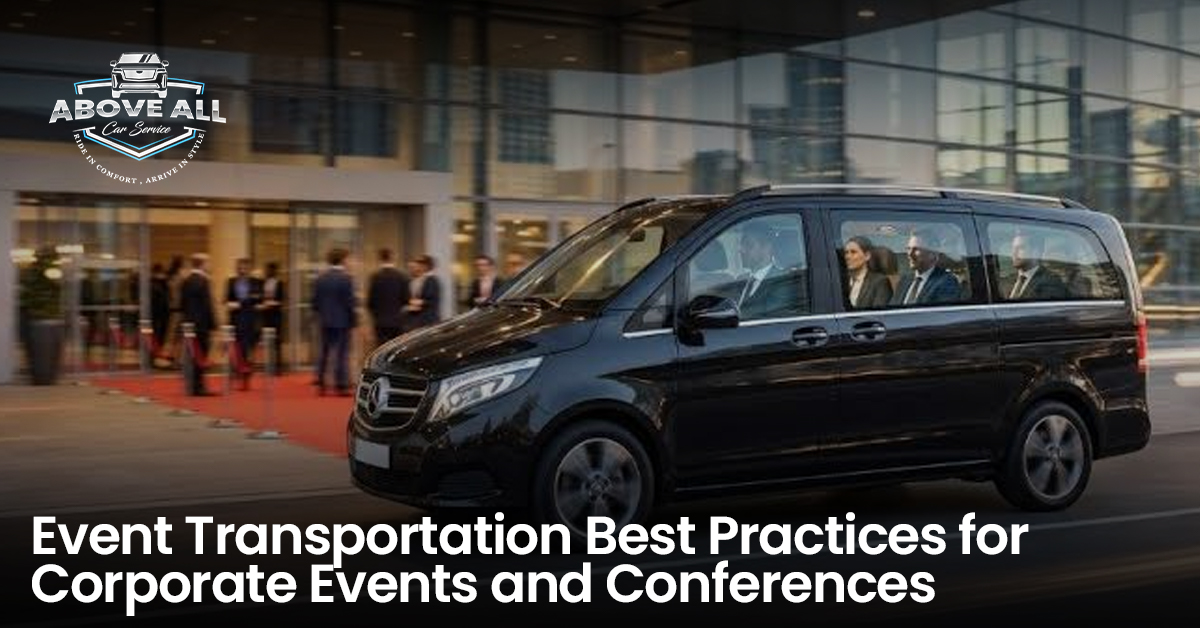
Event Transportation Best Practices for Corporate Events and Conferences
A corporate event can impress every guest or disappoint them before sessions even begin. Many organizers spend months planning speakers, venues, and schedules. Still, simple travel problems often create unexpected stress for everyone involved.
The right event transportation plan removes those worries before they affect the day. This guide explains practical ideas that help organizers create smoother arrivals, happier attendees, and stronger business results from beginning to end.
Why Transportation Deserves More Attention During Corporate Events
Many people think transportation only moves guests between different places. That idea fails to deliver its true value during corporate meetings and conferences. Travel shapes the first experience every attendee receives before entering the venue. A simple arrival creates confidence, while a confusing trip often creates frustration.
Imagine attending an important conference after an early morning flight. Traffic becomes heavier than expected, and parking takes another fifteen minutes. You finally reach registration feeling rushed instead of prepared. That feeling follows you into the first session and affects your focus.
Now picture the same morning with organized transportation waiting outside the airport. The driver already knows the destination and planned the route earlier. You arrive relaxed and ready for the conference. That small difference creates a much better beginning.
Successful corporate events rarely depend on one impressive decision. Instead, they grow from many thoughtful choices working together throughout the entire experience.
Common Travel Problems That Reduce Conference Success
Many organizers notice problems only after guests begin arriving. By then, fixing those issues becomes much harder.
Several common challenges appear during business conferences.
- Guests arrive later than planned.
- Registration becomes crowded.
- Executives wait for delayed attendees.
- Visitors struggle with local directions.
- Parking creates unnecessary stress.
- Important sessions begin with empty seats.
Each issue looks small by itself. Together, they reduce the quality of the entire event. They also increase pressure for organizers who already manage many responsibilities.
Good planning prevents these situations from becoming larger concerns.
Every Corporate Event Needs A Clear Transportation Strategy
Corporate conferences usually welcome people from different cities, airports, and hotels. Some guests arrive early, while others land only hours before the opening session. Every traveler follows a different schedule, which makes planning even more important.
Strong corporate event transportation begins long before event day. Organizers should understand where attendees are coming from and when they expect to arrive. This information helps create pickup schedules that reduce waiting time and improve coordination.
Instead of reacting to problems throughout the day, organizers remain focused on welcoming guests and supporting speakers.
Start Planning Before Guests Begin Traveling
Many transportation problems start several weeks before the conference. Organizers often wait too long before confirming travel details. That delay creates unnecessary pressure during the final days.
Early planning creates several important advantages.
Know Arrival Times
Collect flight and travel details early. This helps build realistic pickup schedules for every attendee.
Group Similar Arrivals
Guests arriving around the same time can travel together. This approach reduces confusion and improves organization.
Allow Extra Travel Time
Traffic changes every day. Extra time protects the conference schedule from unexpected delays.
Share Travel Information Early
Guests feel more confident when they receive pickup details before traveling. These simple actions save valuable time during busy conference mornings.
Different Attendees Need Different Travel Plans
Every conference welcomes people with different responsibilities. A single transportation plan rarely works for everyone.
Understanding each group’s needs creates a much better experience throughout the event.
Executives
Company leaders often follow very tight schedules. Reliable executive transportation helps them reach meetings without unnecessary interruptions. It also allows them to prepare for presentations during the journey.
Speakers
Speakers should arrive early enough to review equipment and meet event staff. Rushing before presentations often creates unnecessary pressure.
Clients
Business clients notice every detail during corporate gatherings. Organized travel reflects careful planning and professional standards.
Employees
Employees appreciate simple travel because they can focus on networking instead of finding directions.
International Visitors
Visitors from other countries may feel unfamiliar with local roads and traffic. Organized transportation removes uncertainty and creates a welcoming experience.
Planning for each group improves coordination across the entire conference.
Better Arrivals Create Better Business Conversations
Business events often focus on building relationships. Those conversations begin long before attendees enter meeting rooms.
People who arrive calmly usually participate with greater confidence. They greet new contacts more naturally and remain focused during discussions. Guests who arrive feeling stressed often need extra time before fully engaging with others.
A conference creates many opportunities for new partnerships and future business. Transportation quietly supports those opportunities by creating positive first moments.
Communication Reduces Confusion Throughout The Event
Even the best transportation plan needs clear communication. Guests cannot follow instructions they never received.
Organizers should provide important travel details before every pickup.
Helpful information includes:
- Pickup location.
- Pickup time.
- Driver contact details.
- Meeting instructions.
- Emergency phone number.
Simple communication prevents many unnecessary questions during busy conference mornings.
It also helps guests feel prepared before leaving their hotels or airports.
Why Timing Matters More Than Many Organizers Realize
Corporate conferences follow carefully planned schedules. One delayed arrival often affects several activities during the day.
Late transportation can interrupt:
- Registration.
- Opening remarks.
- Speaker introductions.
- Training sessions.
- Client meetings.
- Networking activities.
Starting each session on time builds confidence among attendees. It also shows respect for every person’s schedule.
Reliable planning protects those important moments throughout the conference.
Good Transportation Supports The Entire Conference Experience
Many people judge an event by small details they rarely discuss afterward. They remember whether the morning felt organized. They remember how easily they reached the venue. They remember whether the event respected their time.
One conference organizer recently shared a valuable lesson after hosting a regional business meeting. Previous events experienced long registration lines because guests arrived at random times. This year, arrival groups followed planned schedules based on hotel locations. Registration moved much faster because attendees arrived at the venue in steady waves rather than in large crowds. Staff welcomed guests instead of solving travel problems throughout the morning.
That simple improvement created a stronger beginning for the entire event.
Technology Makes Corporate Travel Much Easier
Modern conferences involve many moving parts throughout the entire event. Technology helps organizers manage travel without creating unnecessary confusion. It also allows attendees to receive important updates before small problems become larger concerns.
Strong travel management supports every stage of the conference, not just arrivals. Organizers can adjust schedules quickly when traffic changes or flights arrive later than expected. Guests appreciate timely updates because they know exactly what to expect before leaving their hotels.
Useful technology can include:
- Live route updates.
- Flight tracking.
- Pickup reminders.
- Driver contact details.
- Digital travel schedules.
- Traffic monitoring.
These simple tools help everyone stay informed without creating extra work for organizers.
Transportation Between Conference Activities Deserves Equal Attention
Many conferences include more than one location during the day. Guests may travel between hotels, meeting rooms, lunch venues, and evening networking events. Organizers who only plan morning arrivals often overlook these important trips.
Well-planned conference transportation keeps every activity running on schedule. Guests spend less time waiting and more time learning, meeting new people, and building valuable business connections.
Simple travel between locations also creates a better experience, as attendees remain focused on the conference rather than searching for directions.
Organized Travel Reflects Professional Standards
Every company wants guests to leave with positive memories. Those memories begin forming before the first presentation starts. Organized travel quietly reflects the company’s attention to detail and respect for every attendee.
Professional events depend on thoughtful planning in every area. Transportation becomes one part of that complete experience because guests notice how smoothly everything works together.
When arrivals follow the planned schedule, attendees feel welcome rather than rushed. That positive feeling often continues throughout the conference.
Hidden Costs Many Organizers Do Not Expect
Transportation problems create more than delayed arrivals. They often affect the entire business event in unexpected ways.
Poor business event transportation may lead to:
- Lower session attendance.
- Missed networking opportunities.
- Delayed presentations.
- Longer registration lines.
- Sponsor disappointment.
- Extra staffing costs.
- Negative attendee feedback.
- Reduced company reputation.
Many organizers focus only on transportation costs. They rarely consider the financial impact created by poor planning. Preventing these problems usually saves valuable time and resources later.
Build A Flexible Transportation Plan
Even careful planning cannot prevent every unexpected situation. Flights change, roads become crowded, and the weather sometimes affects travel schedules.
Flexible transportation planning helps organizers respond quickly without creating confusion.
Helpful planning ideas include:
- Prepare backup pickup times.
- Review alternate travel routes.
- Confirm emergency contacts.
- Monitor the weather before event day.
- Keep drivers informed about schedule updates.
Small preparations often prevent larger disruptions during busy conferences.
Comfortable Travel Supports Better Business Relationships
Business conferences create valuable opportunities for people to meet and exchange ideas. Those conversations often begin during the journey rather than in meeting rooms.
Imagine two business owners traveling together before the opening session. During the ride, they discuss industry trends and learn about each other’s companies. By the time they reach the venue, the conversation already feels natural. That early connection may continue throughout the conference and even develop into future business opportunities.
Simple travel experiences sometimes create meaningful professional relationships.
Transportation Helps Guests Stay Focused
Attendees spend many hours listening, learning, and meeting new people during conferences. Their energy depends partly on how the day begins.
Comfortable travel supports:
- Better concentration.
- More active participation.
- Stronger networking.
- Better communication.
- Positive discussions.
- Higher confidence.
These small improvements create a stronger attendee experience from morning registration until the final session.
Simple Mistakes Every Organizer Should Avoid
Many transportation problems happen because organizers overlook small details during planning.
Avoid these common mistakes.
- Booking vehicles too late.
- Ignoring local traffic patterns.
- Forgetting return transportation.
- Sharing travel details too late.
- Use the same schedule for every guest.
- Ignoring airport arrival changes.
- Failing to prepare backup plans.
Each mistake increases unnecessary pressure during the event. Careful planning removes many of these concerns before guests begin traveling.
A Practical Conference Transportation Checklist
This simple checklist helps organizers stay organized before event day.
✓ Confirm attendee numbers.
✓ Review hotel locations.
✓ Verify airport arrival times.
✓ Schedule guest pickups.
✓ Share travel information early.
✓ Monitor weather forecasts.
✓ Confirm venue access.
✓ Review return schedules.
✓ Test communication channels.
✓ Keep emergency contacts available.
A checklist keeps planning simple and helps teams work together more confidently.
Conclusion
Corporate conferences succeed when every part of the attendee journey receives proper attention. Travel should never be an afterthought, as it shapes first impressions, business conversations, and overall event outcomes. Thoughtful planning creates smoother arrivals, stronger schedules, and happier attendees throughout the day. The right event travel solutions support organizers while creating a positive experience every guest remembers. Small planning decisions often produce the biggest results during successful corporate gatherings.
Every conference deserves thoughtful travel planning that supports guests from arrival through departure. Organized transportation helps people focus on meaningful conversations instead of unnecessary travel concerns. Better planning today creates stronger business events tomorrow.
FAQs
When should conference transportation planning begin?
Begin planning several weeks before the event to allow enough preparation time.
Why does organized travel improve conferences?
Guests arrive relaxed, sessions begin on time, and organizers handle fewer travel concerns.
How can organizers support visitors from other cities?
Clear instructions and planned guest transportation help visitors travel with greater confidence.
Why does transportation matter during professional conferences?
Good planning supports better schedules, stronger networking, and smoother conference operations.
Should return transportation receive equal attention?
Yes. Guests remember the complete experience from arrival to their safe departure from the event.