
The Complete Guide to Private Corporate Transportation for Business Professionals
A missed pickup can derail an entire workday. Flights change, meetings shift, and busy roads can waste key hours. Many professionals also need quiet space between calls, clients, and events. Private corporate transportation gives business travelers more control over each trip. A skilled chauffeur handles the route while travelers focus on work.
This guide explains how corporate car service works for modern business travel. You will learn service types, booking steps, vehicle choices, and costs. It also covers airport trips, meetings, events, groups, and provider checks. We will compare key options and show when each fits best. By the end, you can plan business travel with greater confidence.
Private Corporate Transportation: A Beginner’s Guide for Businesses
Business travel works better when each ride supports the workday. Private corporate transportation gives companies planned rides for staff, clients, and leaders. It uses booked vehicles and skilled chauffeurs for work-related trips. Unlike casual travel, each trip follows a clear business purpose. That purpose may include meetings, flights, events, or client visits.
What Corporate Transportation Means for Modern Businesses
Corporate transportation covers private ground travel arranged for business needs. Companies use it for executives, employees, guests, teams, and clients. Common trips include airport transfers, office visits, meetings, and events. Some firms also book cars for roadshows and multi-stop workdays. Others use group vehicles for staff travel or conference movement.
The main value comes from control, timing, and trip planning. A corporate chauffeur service follows booked details and set pickup points. This reduces the need for travelers to manage traffic or parking. It also gives teams more time for calls or notes. For leaders, that time can support better focus between meetings.
These services can also shape how clients view a company. A planned pickup creates a more polished first business touch. That matters when firms host guests, partners, or senior leaders. It also supports staff when travel involves tight schedules.
How the Booking Process Works From Start to Finish
The corporate transportation booking process usually starts with trip details. A booker shares pickup times, locations, passenger counts, and luggage needs. Airport trips also need airline and flight details when possible. The provider then matches the trip with suitable vehicle space.
Many services confirm the ride before the planned pickup time. For airport travel, flight tracking helps adjust timing after delays. Some providers also offer meet-and-greet service inside the terminal. That option helps guests find their chauffeur after landing.
A normal trip often follows these basic steps:
- Share the route, time, and passenger count.
- Choose a vehicle based on space needs.
- Confirm pickup details and contact information.
- Complete the ride and receive trip records.
The same process can support one ride or many bookings. Larger firms may use one account for several travelers. That can make receipts, trip history, and payment easier.
Service Types and Vehicle Options for Business Travel
Executive transportation services can support many types of work travel. A business airport transfer service handles airport pickups and drop-offs. An executive car service for business suits meetings and client visits. Hourly service fits days with several stops or changing schedules. Group travel may need vans, shuttles, or larger vehicles.
Vehicle choice should match passengers, bags, timing, and trip purpose. Sedans often work well for one or two business travelers. SUVs add more room for passengers, luggage, or work gear. Vans can move small teams without splitting the group. Larger vehicles can support conferences, retreats, and company events.
A private chauffeur for business travel adds another key benefit. The traveler can focus on work while someone else drives. This can support calls, notes, or meeting prep between stops. It also reduces the need to search for parking.
What Businesses Should Check Before Booking
First-time buyers should review more than price before choosing a service. Corporate transportation pricing can include time, distance, tolls, or wait fees. Companies should ask what the quoted rate includes and excludes.
They should also review service hours, vehicle choices, and support. For airport trips, ask about flight tracking and pickup steps. For meetings, confirm how schedule changes or extra stops work. For groups, verify passenger and luggage space before booking.
Private service also differs from taxis and rideshare apps. Taxis and app rides often focus on single on-demand trips. Corporate service usually adds booking, trip records, and account support. That difference matters when companies need more order and control.
Reliable service helps travelers reach key stops within planned windows. The best corporate transportation company should fit each company’s needs. It should offer clear terms, useful support, and suitable vehicles. Strong service also depends on accurate booking details from travelers. When both sides plan well, each trip supports business goals.

Top Benefits of Private Corporate Transportation for Business Travelers
Private corporate transportation gives business travelers more than a polished ride. It can protect valuable work time and support demanding schedules. Companies also gain better trip control, clearer costs, and stronger consistency. Those gains explain why many firms now prefer planned chauffeur service.
More Productive Time Between Business Commitments
A business day can change quickly between airports, offices, and meetings. Driving, parking, and route checks can consume useful work time. A chauffeur handles those tasks while the traveler stays focused. That turns travel time into a practical part of the workday.
Executives can review notes, answer messages, or prepare meeting points. Private space can also support calls between important business stops. This mobile-office value becomes stronger during packed travel schedules. Better time use can improve output without extending working hours.
Punctual travel also helps teams protect tightly planned business calendars. A planned pickup reduces time spent searching for available transportation. Drivers can follow trip details, traffic conditions, and confirmed meeting times. Reliable pickup planning also supports more stable daily schedules.
That structure supports better timing for client meetings and airport trips. It also reduces stress caused by parking and unfamiliar routes. Business travelers can focus more clearly before important conversations begin.
Better Cost Control and Travel Efficiency
Cost savings do not always mean choosing the lowest fare. Companies should compare total trip value instead of headline pricing. Rental cars may add parking, fuel, tolls, and employee driving time. App rides can also create separate receipts and varied trip records.
Corporate accounts can make payment and expense review more consistent. Clear records also help finance teams track business travel spending. That can improve cost control across frequent executive travel programs.
Several business gains often appear together during regular corporate travel:
- Travel time becomes useful time for calls and meeting preparation.
- Planned pickups reduce delays between airports, offices, hotels, and events.
- Central billing can reduce receipt handling and payment admin work.
- Suitable vehicles help match passenger, luggage, and meeting requirements.
Corporate transportation efficiency also comes from fewer travel decisions. Travelers do not need to compare routes before every trip. They can follow a booked plan and focus on business priorities. That can produce better value across repeated company travel.
Stronger Executive and Client Experience
Executive transportation benefits also affect how a company presents itself. A planned chauffeur pickup creates a strong and organized first impression. That matters when companies transport clients, partners, or senior guests. Vehicle condition, driver conduct, and timing can shape brand perception.
A consistent service can support the company’s professional image naturally. It also gives hosts better control over important client movements. Executives often prefer chauffeurs over taxis for greater trip control. A standard car service may focus mainly on one ride.
Corporate service can support account needs, schedules, and repeat bookings. That difference matters during roadshows, events, or multiple daily meetings. Business leaders often value consistency more than decorative luxury alone.
Companies can also set driver, vehicle, and insurance standards. That adds more control than booking unrelated rides each time. Employee satisfaction can also improve when work travel feels organized. Clear pickup details remove many small choices during busy days.
That can reduce travel strain for staff with repeated trips. It also shows that companies respect employees’ working time.
Business Value Beyond a Single Ride
Private corporate transportation can support value beyond individual trips. Corporate transportation ROI becomes clearer when companies track useful outcomes. Useful measures include trip time, missed appointments, and admin workload. Firms can also track traveler feedback and booking policy compliance.
These measures help show whether service spending supports business goals. Companies can set clear booking rules and approved service levels. That creates a more consistent experience for employees and executives. A strong travel program can also create a competitive business edge.
The strongest advantage comes from combining time, control, and consistency. Business travelers gain space to work between important daily commitments. Companies gain clearer records, better planning, and stronger service standards. For many firms, those combined benefits justify planned corporate transportation.

Private Corporate Transportation vs Other Business Travel Options
Private corporate transportation competes with several common business travel options. Each choice can work well under the right travel conditions. The real difference appears in planning, control, time, and support. Business travelers should compare more than the price shown first. They should also consider schedule needs, luggage, privacy, and trip purpose.
Corporate Transportation vs Rideshare for Business Travel
Rideshare apps work best when travelers need quick, simple rides. They offer broad access and easy booking through mobile apps. However, driver changes can reduce consistency between important business trips. Vehicle type and service style may also change each time.
Corporate car service offers more control through planned reservations and records. Companies can also set pickup details before the traveler departs. That difference matters during meetings, airport trips, and client visits.
Cost comparisons should include more than the app fare. A chauffeur may cost more for one short trip. Yet businesses should count waiting, changes, and lost work time. Corporate transportation can offer stronger value during packed business schedules. This is especially true when travelers need several planned stops. For executives, service control can matter more than small fare gaps.
Corporate Transportation vs Taxi Services
Taxis remain useful for simple rides in many business districts. They can also help when travelers need immediate local transport. However, corporate transportation gives companies more booking control and trip records. That can support repeat travel, client pickups, and account use.
Corporate transportation versus taxi cost depends on the full trip. Travelers should compare wait time, fees, route needs, and support. For business use, reliability often matters as much as price. A private chauffeur can also offer a more consistent service style.
Corporate Transportation vs Rental Cars
Rental cars give travelers direct control over their daily movement. They can suit long stays with many flexible local stops. Still, rentals add driving, parking, fuel, and return tasks. Those duties can take time from meetings and client work.
Corporate transportation removes most driving tasks from the traveler. That can make multi-stop workdays much easier to manage. Rental car versus corporate transportation time depends on trip structure. For packed schedules, planned chauffeur service can reduce travel duties. For slower trips, a rental may offer useful personal freedom.
Executive Car Service, Black Cars, and Luxury Chauffeurs
Executive car service and corporate transportation often share similar features. Both can include reserved vehicles, skilled drivers, and business support. The key difference usually comes from service scope and account structure.
Executive car service may focus on premium individual business trips. Corporate programs can also support teams, events, billing, and policy. A black car service may overlap with both service types. Businesses should ask what each provider includes before comparing names. Service labels can differ between cities and transportation companies.
Luxury chauffeur service focuses more strongly on comfort and presentation. Corporate transportation focuses more broadly on work-related travel needs. That can include meetings, airports, groups, reports, and account use. Some luxury providers also offer full business travel support.
The chauffeur versus luxury car service difference depends on scope. Companies should compare actual service terms instead of branding alone.
A personal driver usually serves one person or household directly. Corporate transportation serves broader company needs for many trip types. It can support executives, employees, clients, guests, and event groups. That makes it easier to support travel for many business needs.
Which Transportation Option Fits Business Travel Best?
Professional image can also affect the right choice for businesses. Client-facing trips often need stronger consistency than casual local rides. A reserved chauffeur can support a polished arrival at meetings. That can matter when hosting investors, partners, or visiting executives.
Companies should match service level with each traveler’s actual role. This prevents overspending while keeping important trips well organized.
The best option depends on each trip’s main business needs:
- Rideshare works well for simple and flexible local business travel.
- Taxis can help with quick trips in busy city areas.
- Rental cars suit travelers who prefer direct driving control.
- Executive cars fit premium meetings and individual business travel.
No single transport option fits every type of business trip. Corporate transportation fits companies needing planned service and broader support. The best choice depends on time, cost, control, and purpose.
How Private Corporate Transportation Supports Smarter Business Travel
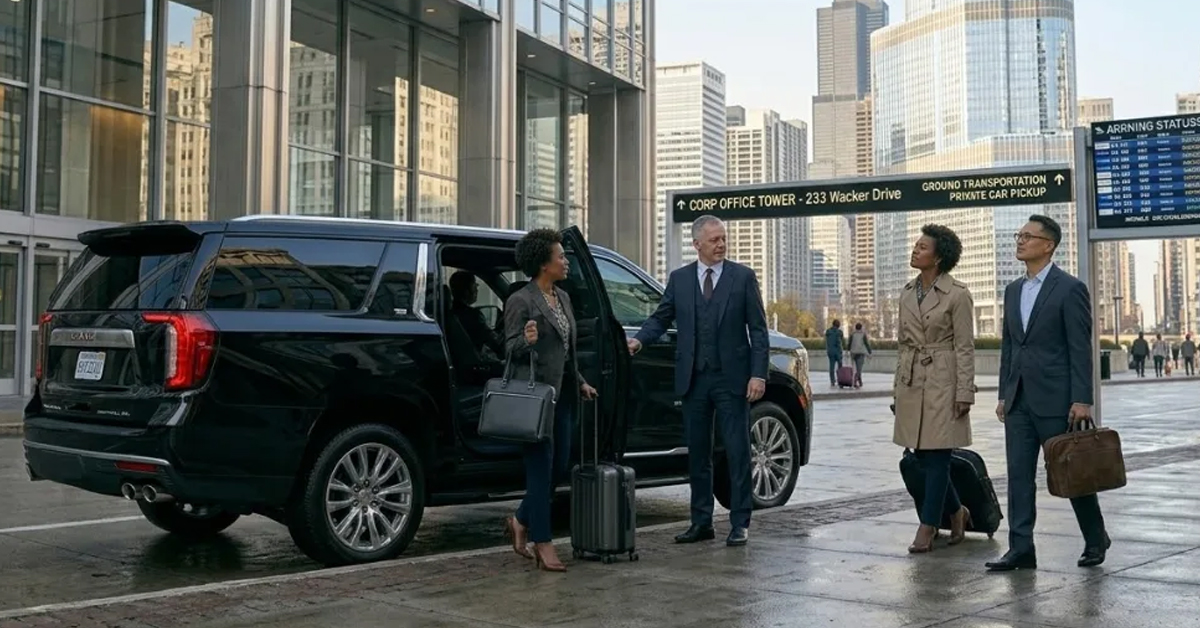
Business travel often combines flights, meetings, hotels, and changing schedules. Private corporate transportation helps connect those parts into one clear plan. Travelers can move between work stops without managing every driving task. That structure matters most when schedules allow little room for delays. It also helps companies support executives, staff, clients, and visiting teams.
The Role of Corporate Transportation in Business Travel
Corporate transportation for business travel supports more than simple point-to-point rides. It links airports, hotels, offices, venues, and meeting locations. A planned service can also support several stops during one workday. That makes it useful for executives with changing daily commitments.
Executive transportation for business travel works best with accurate trip details. Travelers should share meeting times, pickup points, and expected stop lengths. That information helps the chauffeur follow the planned business schedule. It also reduces confusion when several locations appear in one itinerary.
For frequent travelers, repeat booking can make travel planning much easier. Saved traveler details can reduce errors during future business trip bookings. Companies may also keep preferred vehicle types and pickup notes. Those details support a more consistent travel process over time.
Better Travel Between Meetings, Offices, and Client Visits
Business trips often include more than one key meeting. Corporate transportation for multiple meetings keeps each stop within one plan. A chauffeur can remain available during hourly or multi-stop service. That setup works well for roadshows, sales visits, and executive schedules.
Corporate transportation for client meetings also supports stronger time control. Travelers can leave one meeting and move directly onward. They avoid parking searches, rental returns, or new ride requests. That matters when meetings run close together during busy workdays.
Board meetings may need extra care because timing stays important. Senior leaders often travel from hotels, airports, or private terminals. A confirmed pickup can keep those movements tied together well. The same approach can support investor meetings and executive briefings.
Turning Travel Time Into Useful Working Time
Executives often need working time between major business commitments. A private vehicle can provide space for focused work. Travelers may review notes, answer messages, or prepare presentations. They can also join calls when conditions allow private conversation.
This mobile office approach can support better use of travel hours. Corporate transportation productivity comes from reducing driving-related tasks for travelers. The chauffeur handles routing while passengers focus on business priorities. That can be valuable during long days with several meetings.
Travelers should still plan work based on trip length. Short rides may suit messages, notes, or schedule checks. Longer rides can support deeper preparation before major client meetings.
Corporate Meetings, Conferences, and Business Events
Corporate transportation for meetings and events requires clear schedule planning. Conferences may involve hotels, airports, venues, dinners, and client functions. Each movement should match the wider business event schedule.
Executive chauffeurs for business meetings can also support VIP guest movement. Speakers, board members, and clients may need separate pickup plans. Larger teams may need group vehicles instead of individual cars. Event planners should match passenger counts with actual vehicle space.
Business event planning works better when these details stay clear:
- Confirm pickup points before travelers begin each scheduled business movement.
- Share meeting times and any likely schedule changes early.
- Match vehicle space with passengers, luggage, and work equipment.
- Keep one contact available for urgent trip updates.
Dedicated event logistics receive more detail later in this guide. Here, the key goal remains keeping business travel connected.
Practical Tips for Frequent Business Travelers
Frequent travelers gain more value when they plan repeat trips carefully. Book important transfers before flights, meetings, or conference travel days. Share flight details when an airport pickup starts the schedule. Leave realistic time between landing and the first meeting.
Travelers should also confirm contact details before each important trip. Meeting addresses can change between booking and travel dates. Updated information helps prevent confusion at busy office locations.
For airport-to-meeting travel, luggage planning also affects vehicle choice. A larger vehicle may suit teams carrying bags or work gear. Travelers should also share any extra stops before departure.
Private corporate transportation works best as part of travel planning. It connects work stops while giving travelers better schedule control. With clear booking details, business trips become easier to manage. Frequent travelers can then focus more attention on their actual work.

Why Private Corporate Transportation Works for Business Airport Transfers
Airport travel can shape the pace of an entire business day. A late pickup may affect meetings, check-ins, or client plans. Private corporate transportation gives travelers a planned connection beyond the terminal. The service can link airports with hotels, offices, venues, and meetings. That makes airport travel easier to manage within busy work schedules.
Plan the Airport Transfer Before Travel Begins
A corporate airport transfer works best when booked before departure. The reservation should include flight numbers, pickup points, and passenger details. Travelers should also share luggage needs and any planned stops. Those details help the provider select suitable vehicle space early.
Booking also gives companies time to confirm pickup instructions. This becomes useful at large airports with several terminals. Some airports use different zones for private cars and taxis. Clear instructions help travelers know where their chauffeur will meet them.
Business airport transportation can support both arrivals and departures. Departure planning should consider traffic, check-in, and terminal walking time. Arrival planning should allow time for baggage and possible customs. International travelers may need more time before reaching the pickup point.
Flight Tracking Helps Airport Pickups Follow Real Arrivals
Flight schedules can change after the reservation has been confirmed. A flight tracking chauffeur service can follow updated arrival information. That helps the driver adjust pickup timing after common flight delays. It can also help when airlines change gates or terminals.
Tracking does not remove every airport delay or schedule issue. However, it gives the provider better information before the pickup. Travelers should still share major itinerary changes when they occur. Good contact details also help both sides manage last-minute updates.
Meet-and-Greet or Curbside Pickup: Know the Difference
Executive airport pickup service can use several meeting methods. Curbside pickup usually meets travelers near an approved pickup zone. Meet-and-greet service may begin inside the terminal after arrival. The chauffeur can hold a name sign when requested.
An executive meet-and-greet airport service can help visiting clients. It can also support leaders arriving at unfamiliar airports. Travelers should confirm where the meeting point will be located. They should also check whether airport access fees apply.
These pickup details matter most during busy travel periods:
- Confirm the exact terminal before the travel date.
- Share a working mobile number with the provider.
- Allow extra time for baggage or customs.
- Review pickup instructions before leaving the aircraft.
Choose the Right Vehicle for Passengers and Luggage
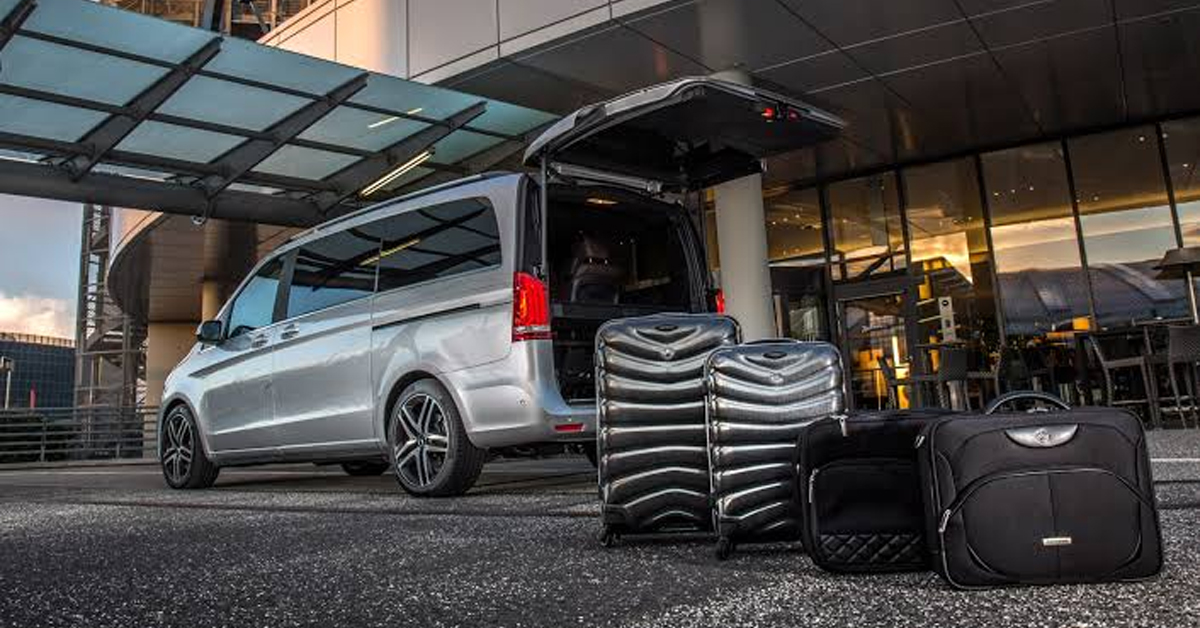
Executive car service should match more than passenger count alone. Airport trips often include suitcases, work bags, and other gear. A sedan may fit one or two light travelers. An SUV offers more room for bags and small teams.
Larger groups may need vans or other group vehicles. Vehicle choice also depends on trip length and work needs. A private car service for business travel should fit both. Travelers should state luggage needs before the vehicle gets assigned.
A black car option can suit executive arrivals and hosted clients. Vehicle class should still match actual space and trip needs.
Connect the Airport Transfer With the Business Schedule
Airport transportation often continues directly into the business day. Some executives travel from the airport straight to meetings. Others need hotel stops before offices, events, or client visits. Those details should be included during the booking process.
Reliable transportation to airport meetings depends on realistic travel timing. Travelers should allow time for baggage, traffic, and terminal exits. Tight plans can create problems when flights arrive later than expected. A better schedule includes practical time between each travel stage.
Chauffeured airport service can also support early departures and late arrivals. Companies should confirm service hours before booking unusual travel times. They should also ask how waiting time gets charged.
Practical Airport Tips for Corporate Travelers
Corporate travelers should confirm every key detail before flight day. Recheck the airport, terminal, flight number, and pickup contact. Keep the provider updated after major flight or meeting changes. Choose vehicle space based on passengers, luggage, and route length.
Professional airport transfer for business works best with clear planning. The strongest service combines timing, communication, and suitable vehicle space. That structure reduces common airport travel pressure for busy professionals. It also helps the next business commitment begin more smoothly.

Private Corporate Transportation for Conferences and Business Events
Business events depend on more than speakers, rooms, and agendas. Guests must reach each stop at the right time. Flights, hotels, venues, dinners, and meetings can overlap quickly. A clear transport plan keeps those moves tied together. Private corporate transportation can support guests, teams, leaders, and speakers.
Build the Event Transport Plan Before Guests Arrive
Good event transportation planning starts with the full event schedule. Planners need guest counts, flight times, hotels, venues, and sessions. They should also mark executives, speakers, clients, and hosted guests. Each group may need different pickup times or vehicle sizes.
Corporate event logistics work best with one clear travel list. That list should show names, routes, times, and contact details. Flight data also matters for guests arriving from several cities. Hotel and venue pickup points should be confirmed in advance.
A simple event transport list should include these details:
- Guest names, flight times, arrival terminals, and pickup points.
- Hotel, venue, dinner, and meeting times for each day.
- Vehicle sizes based on people, bags, and trip needs.
- Main contacts for delays, schedule changes, and urgent updates.
One shared plan gives drivers and event staff the same facts.
Match Each Vehicle With the Right Guest Group
Group transportation for conferences needs more than seat counts alone. Planners should check bags, trip length, privacy, and boarding time. Vans can work well for small teams or speaker groups. Shuttles can move larger groups between hotels and event sites.
Executive event transportation may need more private travel plans. Senior leaders often have meetings outside the main event schedule. VIP speakers may also arrive or leave at different times. A corporate chauffeur can support those custom trips with less confusion.
Private transport for business conferences should match real guest needs. This prevents empty seats, split groups, and poor vehicle choices. It also helps planners spend based on each trip type.
Link Airports, Hotels, Venues, and Meeting Sites
Airport transfers often begin the guest experience before event check-in. Planners should collect flight details before setting final pickup times. Guests landing near each other may share one vehicle. Other arrivals may need separate cars or staggered pickup windows.
A hotel-to-venue shuttle can make daily travel much simpler. Set departure windows help guests know when each vehicle leaves. Clear signs and pickup notes also reduce common guest questions. These details matter most during busy morning conference periods.
Conference shuttles can also serve dinners and offsite sessions. Each route should follow the event calendar and venue rules. Local traffic and loading limits should shape each departure time.
Manage Multi-Day Events and Last-Minute Changes
Multi-day conference transportation needs daily review and clear updates. Each day may include sessions, dinners, meetings, and new arrivals. Planners should review the next day’s rides every evening. That helps catch changes before the first pickup begins.
Business events also change while guests are already moving. Meetings may run late, flights may shift, or venues change. One event contact should send updates to the transport provider. This keeps drivers from getting mixed messages from several people.
Large events may also need one transport desk onsite. Staff can guide guests toward the right car or shuttle. This works well when several hotels serve one conference.
Use Clear Rules for Group and Executive Travel
Corporate group transportation works better when duties stay clearly assigned. Event staff should know who handles guests and driver updates. Travelers should receive pickup notes before each key trip begins. Drivers should receive changes from one approved event contact.
Book event transport early when many vehicles are required. Early booking can give planners more suitable vehicle choices. Large groups may need staged departures from busy event sites. Staged movement can reduce long lines near loading areas.
Planners should also review event-specific provider support before booking. Ask about group fleets, airport pickups, dispatch, and schedule changes. A strong event service should support the full guest journey. That includes arrivals, meetings, venues, dinners, and final departures.
The goal goes beyond moving guests between two locations. Good event transport keeps each trip linked with the agenda. When routes, vehicles, and updates stay clear, events run better.
How to Choose the Right Private Corporate Transportation Company
Choosing a provider can shape every part of business travel. Price matters, but trip quality should carry equal weight. Companies also need fair terms, proper vehicles, and fast support. A good provider should fit both simple and complex trips.
Start With Service Fit, Not the Lowest Quote
First, match the service scope with your real business needs. Some firms need airport rides and simple meeting trips. Others need roadshows, group moves, events, or hourly cars. Senior teams may also need private pickups and custom plans.
Companies should carefully compare what each provider can handle. A low rate means little when key items cost extra. Pricing should show wait time, tolls, parking, and added fees. Cancellation terms should also appear before the booking gets confirmed.
Twelve Things to Check Before You Book
A provider check should cover service, staff, cars, and support. These twelve points create a useful guide for business buyers.
- Confirm valid licenses and current business insurance before booking service.
- Review driver checks, training, conduct, and business travel work history.
- Check vehicle age, upkeep, clean cabins, and passenger space.
- Ask whether fleet choices fit leaders, groups, and airport trips.
- Confirm dispatch help during early, late, or changed travel plans.
- Review airport pickup rules, flight tracking, and greeting options.
- Check account billing, receipts, trip records, and payment methods.
- Ask how schedule changes and extra stops affect final pricing.
- Review wait fees, tolls, parking, and cancellation terms clearly.
- Confirm group space using passenger, luggage, and work gear counts.
- Check client reviews for service trends, not single comments.
- Ask how trip issues get logged, handled, and closed.
These checks show more than a polished website or low quote. They also help buyers compare firms by the same standards.
Questions to Ask Before Hiring a Provider
Good questions show how a company handles real business travel. Ask who manages bookings when flights or meetings change. Confirm how drivers receive new pickup times or locations. Ask whether one account can support several approved travelers.
Companies should also ask about driver and vehicle rules. Airport users should confirm terminal pickup steps before travel. Event planners should ask about group dispatch and onsite help. Frequent travelers may need saved profiles or repeat booking support.
Another useful question concerns service ownership and local partners. Some firms run their own vehicles in the main market. Others use partner networks for trips outside that market. Neither service model is always better for every company.
A broker versus direct provider check should focus on control. Buyers should ask who owns the booking and solves issues. They should also ask who carries insurance for each ride.
Watch for Pricing and Service Warning Signs
Unclear pricing can make a simple quote hard to compare. Buyers should question rates missing tolls, wait fees, or parking. Vague cancellation terms can also create later billing issues. Quotes should explain what changes after extra time or stops.
Poor contact can signal weak service control before travel begins. Slow replies may become harder during urgent trip changes. Missing vehicle details can also cause space issues later. Companies should avoid booking before key terms become clear.
Avoid Common Corporate Transportation Booking Mistakes
Many booking errors start with wrong or old trip details. Wrong flight numbers can affect airport pickup timing and tracking. Small vehicle choices can create issues for bags or groups. Tight schedules can also fail when trip time gets ignored.
Companies should confirm trip facts before each major business journey. They should also share changes through one clear contact. Event bookings need final guest counts before vehicles get assigned. Executive trips need correct pickup points and meeting times.
The right provider should support the company’s real travel pattern. It should offer fair pricing, proper vehicles, and useful support. Strong selection comes from comparing facts instead of sales claims. That approach helps companies choose service with greater confidence.
FAQs
How early should companies book transportation for important business trips?
Routine trips should usually be booked several days before travel. Large events and roadshows often require much earlier planning.
What information should businesses provide when making a reservation?
Provide pickup addresses, times, passenger counts, and traveler contact details. Airport reservations should also include flight numbers and luggage needs.
What happens when an executive flight arrives late?
Many providers monitor flight status and adjust pickup timing accordingly. Travelers should still report major itinerary changes when possible.
Is hourly service better than point-to-point service for executives?
Hourly service suits several meetings with flexible or changing schedules. Point-to-point service works better for simple trips between fixed locations.
Can businesses use one account for multiple employees?
Many providers support company accounts for approved travelers and bookers. These accounts can simplify billing, receipts, and trip record management.